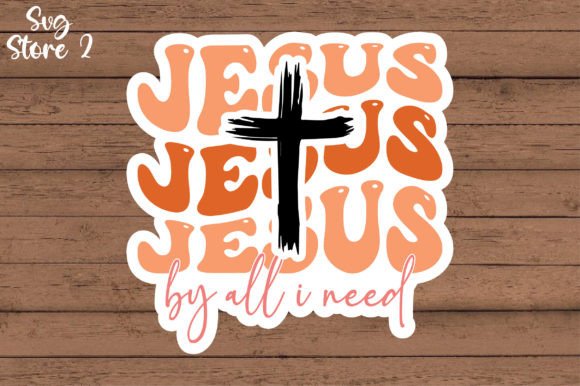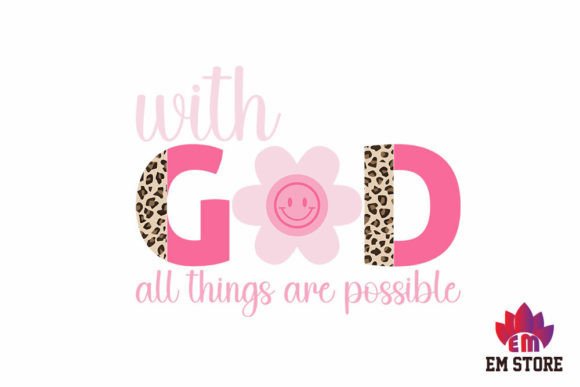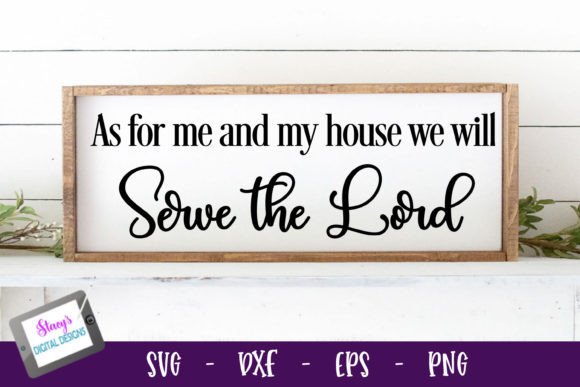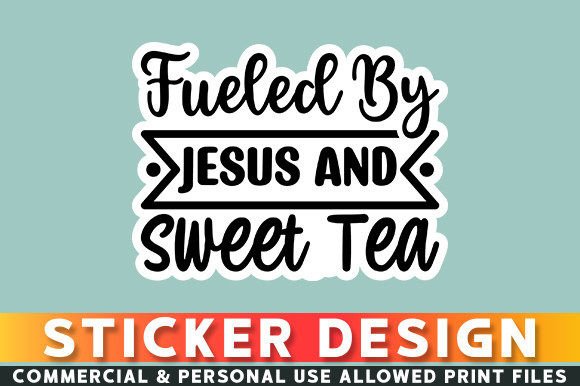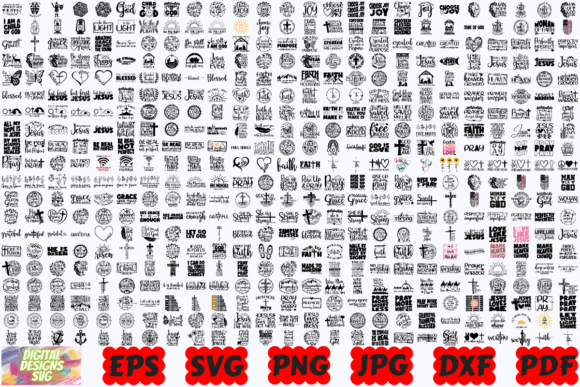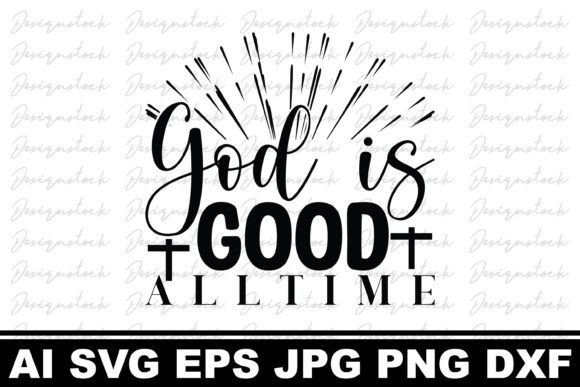
God is Good All Time Graphics for Faith-Based Crafts
As a brand designer specializing in local business identity, I approach every new graphic design asset with a critical eye toward commercial viability. When evaluating God is Good All Time, Christian Designs, my immediate assessment focuses on how this visual language translates from a digital screen to physical product packaging and promotional material. This asset collection immediately evokes a sense of warmth, sincerity, and grounded faith. It suggests a brand personality that is authentic, community-focused, and intentionally gentle rather than aggressively corporate. For small business owners in the faith-based niche, this aesthetic bridges the gap between spiritual messaging and professional branding, creating an emotional hook that resonates deeply with target customers seeking products with meaning.
The mood created by these designs leans heavily into rustic elegance and handmade authenticity. It feels organic and approachable, making it exceptionally well-suited for businesses where trust and personal connection are paramount. Whether you are operating a home bakery, a handmade soap company, a Christian bookstore, or a faith-based candle brand, this asset provides a foundational visual tone that communicates values before the customer even reads the product description. It avoids the sterile look of mass-produced religious goods, instead offering a crafted feel that aligns perfectly with the modern maker movement and boutique retail environments.
Elevating Product Packaging and Label Hierarchy
In real-world application, God is Good All Time, Christian Designs serves as more than just decoration; it functions as a strategic element of visual hierarchy within packaging design. When designing product labels for items like artisanal jams, prayer journals, or organic skincare, this graphic asset can act as a secondary logo or a brand seal. The inclusion of high-quality transparent PNG files and SVG cut files allows for versatile placement without the frustration of removing backgrounds or dealing with pixelation. For a coffee shop creating seasonal cup sleeves or a florist designing bouquet wraps, the vector nature of these files ensures crisp edges regardless of whether the output is a 2-inch sticker or a large-format window decal.
For local businesses utilizing cutting machines like Cricut or Silhouette, the DXF and SVG formats included in this package are essential for producing custom vinyl decals and iron-on transfers. I recently consulted for a handmade children’s clothing brand that needed to add faith-based messaging to garment tags and packaging inserts. Using similar vector assets, we were able to create a cohesive unboxing experience that reinforced their brand identity. The ability to scale these graphics without quality loss means they can be used consistently across business cards, thank-you notes, and shipping boxes, ensuring that every touchpoint reinforces the brand narrative. This consistency is what separates hobbyists from established commercial brands.
Strategic Applications for Marketing and Digital Presence
Beyond physical products, this asset collection supports robust social media graphics and web design initiatives. In an era where digital storefronts are as important as brick-and-mortar locations, having editable EPS and RGB color mode files is crucial for maintaining vibrancy on screens. Social media managers can integrate these illustrations into Instagram stories, Pinterest pins, and Facebook ad creatives to stop the scroll and attract a faith-aligned audience. The designs work beautifully as overlay elements on product photography or as standalone typography-driven posts for daily devotionals or inspirational quotes.
For marketing visuals, such as flyers for church events or promotional banners for holiday markets, the scalability of these vectors ensures professional print quality. I often recommend using these types of decorative brand elements to frame text-heavy information, guiding the viewer’s eye through the content while softening the overall presentation. In editorial design contexts, such as newsletters or blog headers, these graphics provide visual breathing room and thematic continuity. However, it is vital to remember that while the RGB color mode is perfect for digital use, designers must verify CMYK conversion for offset printing to ensure color accuracy on physical marketing collateral.
Navigating Design Limitations and Brand Alignment
While God is Good All Time, Christian Designs is a powerful tool, experienced designers know that no single asset fits every context. This collection excels in warm, relational, and artisanal branding but requires careful handling in other areas. It should be used cautiously in formal corporate environments or luxury minimalist brands where ornamentation might clash with a sleek, high-end aesthetic. Additionally, when designing ingredient-heavy labels or legal compliance areas on food packaging, ensure the decorative elements do not compete with mandatory text. Visual clarity must always take precedence over decoration; if the graphic obscures allergen warnings or pricing, it fails its commercial purpose.
Another consideration is contrast and legibility. These designs often feature intricate details that may get lost when scaled down too small or placed against busy backgrounds. Always test the asset on actual product mockups before committing to a full production run. Check how the lines hold up at minimum sizes, particularly for hang tags or jewelry cards. Furthermore, while the RGB color mode is vibrant for screens, direct-to-garment or sublimation printing may require color profiling adjustments. Professional branding demands that we anticipate these technical variables to prevent costly reprinting errors or disjointed customer experiences.
Essential Pre-Launch Checklist for Creative Entrepreneurs
Before integrating this graphic design asset into your commercial workflow, I recommend a rigorous testing protocol to ensure it meets professional standards. First, confirm the commercial license terms. Just because a file is available for purchase does not automatically grant rights for resale on finished goods or mass production. Clarifying usage rights protects your business from future legal complications. Next, inspect the vector editability. Open the SVG or EPS files in Adobe Illustrator or Affinity Designer to verify that paths are clean, layers are organized, and text is either outlined or includes the necessary fonts. Messy vectors can cause cutting machine errors or printing artifacts.
- Mockup Testing: Apply the design to realistic 3D product mockups to evaluate scale, placement, and color interaction with packaging materials like kraft paper or textured cardstock.
- Typography Pairing: Test the asset beside various font styles. Script fonts may enhance the handwritten feel, while bold sans-serifs can modernize the look. Ensure the graphic does not overwhelm your primary logotype.
- Monochrome Verification: Check the design in solid black and white. A strong brand asset must remain recognizable and effective even without color, especially for embossing, debossing, or single-color stamp applications.
- Competitor Analysis: Review similar products in your niche. Ensure your use of this asset creates differentiation rather than blending in. Customizing colors or combining elements uniquely helps maintain distinct brand recognition.
- Print Quality Check: Print a physical proof at actual size. Screen resolution often deceives; seeing the ink on paper reveals true line weight and detail fidelity.
Ultimately, God is Good All Time, Christian Designs offers significant value for small business branding when applied with intention and technical diligence. It provides the emotional resonance necessary for faith-based commerce while supplying the file versatility required for modern production workflows. By treating this asset as a component of a larger brand identity system rather than a standalone solution, creative entrepreneurs can craft packaging and promotional materials that are not only visually appealing but also commercially effective and spiritually authentic. The goal is to create a seamless experience where the design serves the message, and the message serves the customer, building lasting trust and loyalty in the local marketplace.