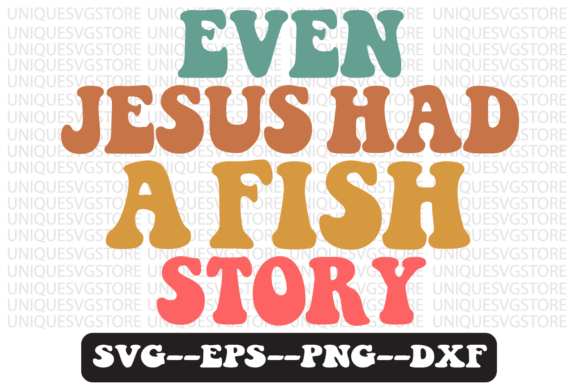
Even Jesus Had a Fish Story SVG Review
When evaluating graphics for embroidery, the transition from screen to stitch is where many designs fail. As a designer who regularly tests digital assets for real-world production, I approached the Even Jesus Had a Fish Story Svg Design with a critical eye toward its utility in machine embroidery. This isn't just about whether the artwork is cute; it is about whether the vector paths will translate into clean satin stitches, manageable fill areas, and a professional finish on physical goods. For Etsy sellers, craft business owners, and hobbyists, understanding the structural integrity of this groovy retro design is essential before committing thread to fabric.
First Impressions: Retro Charm Meets Stitch Logic
My initial assessment of the Even Jesus Had a Fish Story Svg Design focused on its visual hierarchy and line weight. The groovy retro aesthetic relies heavily on fluid typography and organic shapes, which can be tricky in embroidery. Unlike blocky, collegiate fonts that digitize easily, retro scripts often feature varying line widths and tight curves. Visually, this design evokes a warm, nostalgic mood perfect for faith-based apparel or lighthearted fishing gifts. However, as an embroidery file candidate, those flowing lines demand attention. The shape suggests it would work beautifully as a center chest placement on a sweatshirt or as a primary graphic on a canvas tote bag. The layout feels balanced, but I immediately looked for potential jump stitch issues in the lettering connections and assessed whether the fish illustration contained enough open space to prevent bulletproof stiffness when stitched out.
Real-World Application: Stitching a Custom Tote Bag
To truly judge this design, I mentally walked through a recent client project: a custom embroidered tote bag for a church women’s retreat. Canvas tote bags are unforgiving; they show every tension issue and puckering mistake. Using the Even Jesus Had a Fish Story Svg Design for this application required specific considerations. Because the design features both text and illustrative elements, I had to determine if it should be treated as a pure embroidery project or an applique design.
For a tote bag, stability is key. If stitching the full design directly onto unlined canvas, I would recommend a heavy cut-away stabilizer to support the stitch density of the retro lettering. The "fish story" element offers a unique opportunity for mixed media; the fish body could be executed as an applique to reduce stitch count and add texture, while the text remains as satin or running stitch outlines. This approach maintains the handmade product feel while ensuring the bag remains functional and not overly stiff. For clients requesting personalized gifts like baby onesies, however, I would advise scaling down significantly and simplifying the design to avoid heavy fill stitches against delicate skin.
Performance Across Different Substrates
Versatility is the hallmark of a valuable digital embroidery file. Here is how this design performs across common categories:
- Sweatshirts and Hoodies: This is the ideal home for this design. The fleece texture hides minor imperfections, and the garment weight supports moderate stitch density. The retro vibe aligns perfectly with current boutique fashion trends.
- T-Shirts and Tank Tops: Proceed with caution. Knit fabrics stretch, and dense retro lettering can cause tunneling. Use a lightweight mesh cut-away stabilizer and consider reducing the fill density in the digitizing software before stitching.
- Mugs and Drinkware: While listed as a print design, using this for sublimation on mugs is straightforward. For laser engraving or etching, ensure the SVG lines are thick enough to register clearly.
- Pillows and Wall Art: Excellent candidates. These items are rarely washed aggressively, allowing for more decorative, higher-density stitching without worrying about durability during laundering.
Navigating Technical Challenges and Fabric Limitations
No design is universal. There are specific scenarios where the Even Jesus Had a Fish Story Svg Design requires careful handling or modification. Small hoop sizes are the first red flag. Retro fonts lose their character when shrunk below three inches; the interior counters of letters may close up, creating illegible blobs. If you need a small left-chest logo, verify that the fine details remain distinct at your target size.
Textured fabrics like terry cloth or boucle also pose challenges. The intricate details of a groovy font can get lost in the pile. In these cases, placing a water-soluble topper is non-negotiable to keep the stitches visible. Conversely, thin or sheer fabrics may struggle under the weight of the design. Always test stitch density; if the design feels like armor, it needs editing. Dark fabrics present another variable. Ensure there is sufficient contrast between the thread colors and the base material. A white retro design on a navy sweatshirt pops, but a grey design on black fabric will vanish in photos and in person, diminishing the perceived value of the finished product.
Impact on Brand Perception and Product Value
For commercial embroidery businesses and Etsy sellers, design choice directly impacts customer trust. A poorly executed stitch-out looks amateurish, regardless of how good the original SVG looked on screen. When the Even Jesus Had a Fish Story Svg Design is digitized correctly with proper underlay and pull compensation, it elevates the perceived quality of your shop. Clean registration, smooth satin edges, and readable text signal professionalism. This design’s specific niche appeal—blending faith and humor with retro style—also aids in buyer engagement. It targets a specific demographic effectively, making it a strong asset for holiday embroidery collections or specialized boutique branding. High-quality mockups featuring this design on realistic apparel blanks can significantly boost click-through rates, provided the mockup accurately represents what the embroidery will actually look like.
Essential Designer Notes for Successful Execution
Before listing this as a new product or starting a custom order, follow this practical checklist to ensure success:
- Verify Licensing: Confirm whether your purchase includes commercial rights for selling finished physical products versus digital files. Never assume; always check the specific license terms provided with the Graphics asset.
- Test on Scrap Fabric: Never stitch a final product without a test run. Use the exact fabric and stabilizer combination intended for the project to check for puckering, registration errors, or thread breaks.
- Check Thread Color Contrast: View your thread selection in natural light. Retro designs often rely on color blocking; ensure the chosen palette maintains readability and fits the vintage aesthetic.
- Review Stitch Density: Open the file in your embroidery software. Check for areas of excessive density that could break needles or distort fabric. Adjust settings based on your specific machine and material.
- Confirm Hoop Size Compatibility: Measure the design dimensions against your available hoops. Remember that resizing affects stitch properties; enlarging too much creates gaps, while shrinking creates density issues.
- Create Accurate Mockups: Use printable mockup templates that reflect the actual stitch texture. Customers appreciate seeing a realistic representation of the embroidered patch or apparel rather than a flat digital vector.
The Even Jesus Had a Fish Story Svg Design holds significant promise for makers and entrepreneurs in the Crafts category. Its blend of sentimental messaging and trendy aesthetics makes it a versatile addition to any design library. However, its success lies entirely in the execution. By respecting the technical requirements of machine embroidery and adapting the design to suit specific fabrics and end uses, you can transform this digital graphic into a high-value, sellable product that delights customers and strengthens your brand reputation. Always prioritize the tangible quality of the stitch-out over the convenience of the digital file, and your projects will consistently meet professional standards.