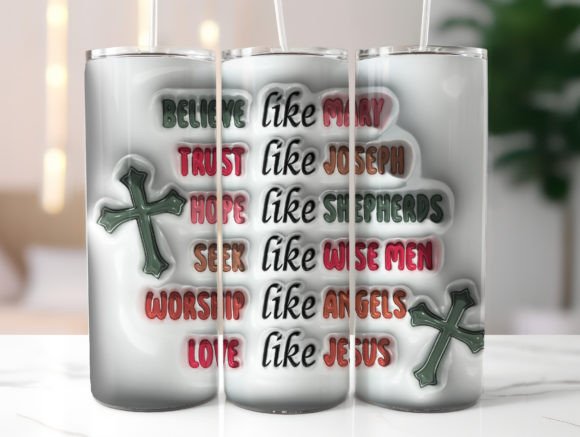
3D Inflated Christian Tumbler Wrap Graphics Review
As a brand designer and content marketer working with faith-based small businesses, I constantly evaluate how digital assets translate into tangible marketing results. When reviewing the 3D Inflated Christian Tumbler Wrap, my primary focus is not just on the aesthetic appeal of the artwork, but on its functional role within a broader commercial design strategy. This graphic design asset offers a distinct visual texture that bridges the gap between modern digital trends and traditional faith-based messaging. For creative entrepreneurs and online coaches, understanding how to leverage this specific style of illustration is key to maintaining professional branding while appealing to a niche audience that values both spirituality and contemporary aesthetics.
Evaluating Visual Tone and Audience Perception
The first impression of this 3D inflated style is undeniably tactile. In an era where flat design has dominated web design and social media graphics for years, this puffy, dimensional aesthetic creates an immediate sense of novelty and approachability. From a marketing perspective, this mood is crucial. It softens the often serious tone of religious content, making it feel more accessible to younger demographics or lifestyle-focused consumers. The visual hierarchy established by the 3D effect naturally draws the eye, which is essential when creating scroll-stopping content for Instagram or Pinterest.
However, brand owners must recognize that this style signals a specific type of identity. It feels handmade yet polished, suggesting a business that is current and engaged with modern design trends rather than dated or overly formal. This emotional connection is vital for product creators selling physical goods like tumblers, as the digital preview needs to promise a high-quality physical result. The asset supports a warm, inviting brand voice, making it ideal for community building, devotional content, or seasonal promotions where comfort and joy are central themes.
Strategic Applications in Faith-Based Marketing Campaigns
In a recent campaign simulation for a Christian lifestyle blogger launching a new line of drinkware, this asset proved versatile beyond simple product decoration. While primarily intended as a sublimation file, the visual language of the 3D Inflated Christian Tumbler Wrap can inform an entire content marketing ecosystem. When used consistently, it strengthens audience trust by creating a cohesive look across multiple touchpoints.
- Social Media Graphics: The bold, inflated typography and imagery work exceptionally well as standalone elements in Instagram carousels or Facebook ads. They provide enough visual weight to serve as hero graphics without requiring additional clutter.
- Digital Product Mockups: For digital sellers, presenting this wrap in realistic mockups is non-negotiable. The 3D nature of the art demands high-resolution presentation to convey the quality of the final printed product.
- Email Banners and Lead Magnets: Using elements of this design in email headers or printable devotionals creates brand consistency. It signals to the subscriber that the content they are receiving is part of a curated, professional experience.
- Packaging Design Accents: Even if the wrap is for the tumbler itself, extracting color palettes or secondary motifs from the file can enhance packaging inserts, thank-you cards, and sticker designs.
It is critical to note the technical specifications during this planning phase. Your download will include one 20oz straight skinny tumbler wrap without watermarks, optimized specifically for sublimation. This is not an SVG design and cannot be used as a cutting file. Understanding this limitation prevents workflow bottlenecks; this is a raster-based PNG design meant for print transfer, not vector manipulation. Marketers must ensure their production partners or personal equipment are set up for sublimation before integrating this asset into a product launch timeline.
Optimizing Brand Identity and Commercial Viability
For small business branding, this asset serves as a strong anchor for visual identity. The "inflated" trend is currently performing well in creative marketplaces, indicating high search volume and consumer interest. By incorporating this modern design element, brands can signal relevance. However, successful commercial design requires balancing trendiness with timelessness. This wrap achieves that balance by grounding the trendy 3D effect in enduring Christian symbolism.
From a conversion standpoint, clearer visual hierarchy leads to better engagement. When using this asset in digital ads, the dimensional quality helps separate the foreground message from the background, improving readability on mobile screens. This is particularly important for e-commerce listings where thumbnail clarity dictates click-through rates. Furthermore, for those operating under a commercial license, this asset allows for scalability. You can use the same visual theme for a limited edition tumbler drop and then repurpose the aesthetic for a holiday sale banner, maximizing the ROI of a single design bundle purchase.
Placement Strategy: Where to Use and Where to Pause
While versatile, this graphic design asset is not a universal solution. As a brand reviewer, I recommend deploying this style in specific contexts to maximize impact.
Ideal Environments
This asset shines in hero graphics, campaign headers, and product launch visuals where attention-grabbing detail is necessary. It is perfect for branded templates used in Canva, provided you are treating it as a static image layer. Editorial layouts featuring faith-based stories or testimonials also benefit from the soft, rounded edges of the 3D style, which complement organic photography and handwritten fonts.
Contexts Requiring Caution
Avoid using this inflated style in dense information layouts or text-heavy legal disclaimers. The visual complexity of the 3D effect can compete with small body copy, reducing legibility. Similarly, ultra-minimalist corporate brands may find the playful nature of the inflated aesthetic clashes with a stern, institutional voice. In low-contrast backgrounds, the subtle shading that gives the design its depth may get lost, so always test against your specific brand color palette before finalizing any marketing visuals.
Professional Designer Notes for Implementation
To ensure this asset supports professional branding rather than detracting from it, follow these practical implementation steps:
- Typography Pairing: Test the wrap against various font styles. It pairs beautifully with clean sans-serif fonts for a modern look or delicate script fonts for a feminine touch. Avoid heavy, blocky display fonts that might visually fight with the inflated lettering in the design.
- Color Validation: Before printing, verify colors in CMYK mode if possible, as screen RGB displays can differ from sublimation output. Check black and white usage to ensure the 3D shading retains its definition even if printed on darker tumblers.
- Mockup Testing: Never rely solely on the flat digital file. Place the design inside real campaign mockups to assess scale and curvature. A design that looks perfect flat may distort unexpectedly when wrapped around a cylindrical surface.
- Licensing Compliance: Always confirm the specific commercial license terms included with your download. Ensure you are permitted to sell physical products made with this design, especially if you plan to scale beyond personal use or small batches.
- Competitor Analysis: Review similar offerings in the Christian niche. If every competitor is using the same inflated style, consider how you can differentiate your application through unique color grading or complementary photography to maintain a distinct brand identity.
Ultimately, the 3D Inflated Christian Tumbler Wrap is a potent tool for content creators and digital sellers who understand its specific strengths. It is more than just a pretty picture; it is a strategic asset that, when used correctly, enhances visual communication, fosters emotional connections, and elevates the perceived value of faith-based merchandise. By respecting its technical constraints and leveraging its modern aesthetic, marketers can create campaigns that are both spiritually resonant and commercially effective.